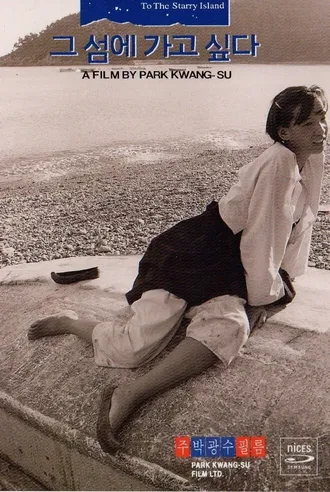
3 Masters: Asian New Wave Cinema in the 1990s
The 1990s marked a profound turning point in the history of Asian cinema. Across the continent, seismic industrial, political, and sociocultural shifts created the conditions for a new generation of filmmakers to emerge — many of whom had studied abroad and returned home with fresh approaches to storytelling and a bold new aesthetic sensibility. In South Korea, the partial lifting of military censorship after decades of authoritarian rule finally allowed filmmakers to confront long-suppressed histories. In Hong Kong, the looming shadow of the 1997 handover to China generated an urgent need to capture a city suspended between two worlds and two times. In Japan, the collapse of the bubble economy forced a generation to turn inward. Together, these three nations at the eastern edge of the continent found themselves caught in the same profound reckoning.
What united these filmmakers across borders was not a shared manifesto, but a shared sensibility: a rejection of conventional narrative logic, a turn toward the inner emotional landscapes of their characters, and a restless search for new cinematic languages. Influenced by the French New Wave and European art cinema, yet deeply rooted in their own cultural contexts and reinterpreted through a distinctly Asian lens, Park Kwang-su, Wong Kar-wai, and Iwai Shunji each forged a singular vision that redefined what Asian cinema could be — and what it could say to the world.
This special programme brings together three landmark works that illuminate the 1990s as the defining decade of the Asian New Wave: a cinema of memory, identity, loss, and the courage to look honestly at history.
Programme Notes: Mi-Jeong Lee, Artistic Director, Arts East-West | Scholar of Asian Cinema
Film Descriptions: Stacy Jung, 13th Montreal Asian International Film Festival (MAiFF)